
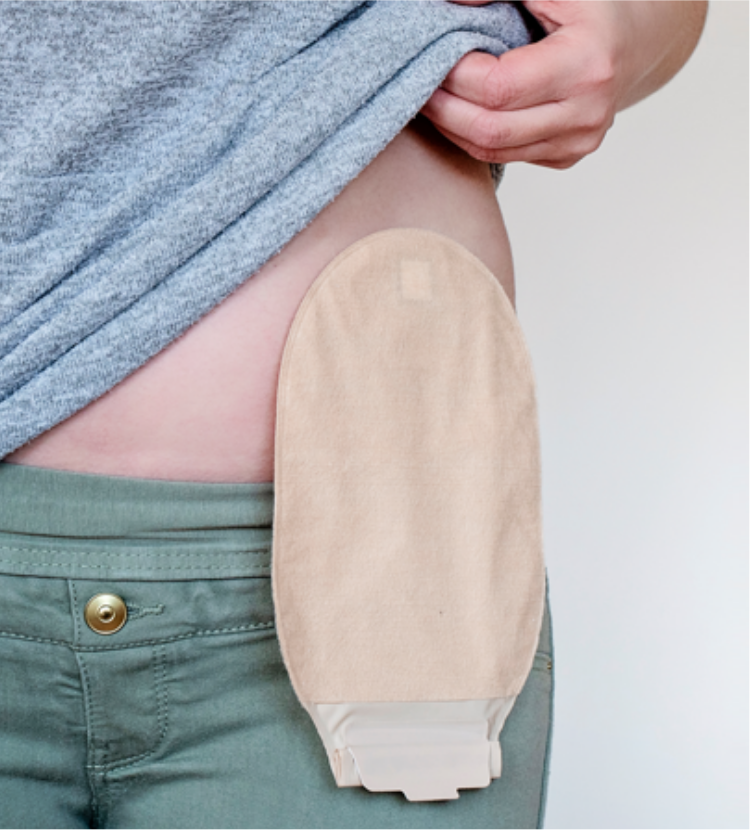
An ostomy, also known as a stoma, is a surgically created opening in the abdominal wall that allows for the passage of fecal matter or urine. This procedure becomes necessary for various medical reasons, including birth defects (congenital diseases), tumors (both cancerous and noncancerous), inflammatory bowel disease, diverticulitis, incontinence, and many other conditions. Additionally, ostomies may be required in cases of severe abdominal or pelvic trauma resulting from accidents or injuries sustained during war.
Why is an Ostomy Necessary?
The primary reason for an ostomy is to reroute bodily waste from its usual path when parts of the digestive or urinary system are malfunctioning. This diversion can either be temporary or permanent, depending on the underlying medical condition.
Living with an Ostomy: A New Normal
While an ostomy is crucial for the patient’s health, it introduces significant changes to their body image and lifestyle. For many, adjusting to this “new normal” can lead to apprehensions about the future, socioeconomic implications, and potential disabilities. This is particularly challenging for patients in underdeveloped and developing countries, where poor education, low per capita income, and cultural and religious diversity exacerbate the difficulties. There is a pressing need for more education and support for ostomates in these regions.

Understanding a Stoma
A stoma is the actual opening created by ostomy surgery, typically in the colon, ileum, or urinary system, and brought to the skin’s surface on the abdominal wall. It usually appears dark pink in color. For most ostomies, a pouch (collecting bag) is applied over the stoma to collect stool or urine.
Continent Diversion: An Alternative
In some cases, patients may be eligible for a continent diversion, an alternative to a conventional ostomy that avoids the need for an external pouch. This option can significantly improve the quality of life for those who qualify.
Living with an ostomy can be challenging, but with the right support and resources, patients can adapt to their new normal. It is essential to raise awareness and provide education, particularly in regions where ostomates face additional barriers. By understanding and addressing the needs of these patients, we can help them lead fulfilling lives despite their medical conditions.